
Trends
Temple Jewellery: Why It Never Goes Out of Style
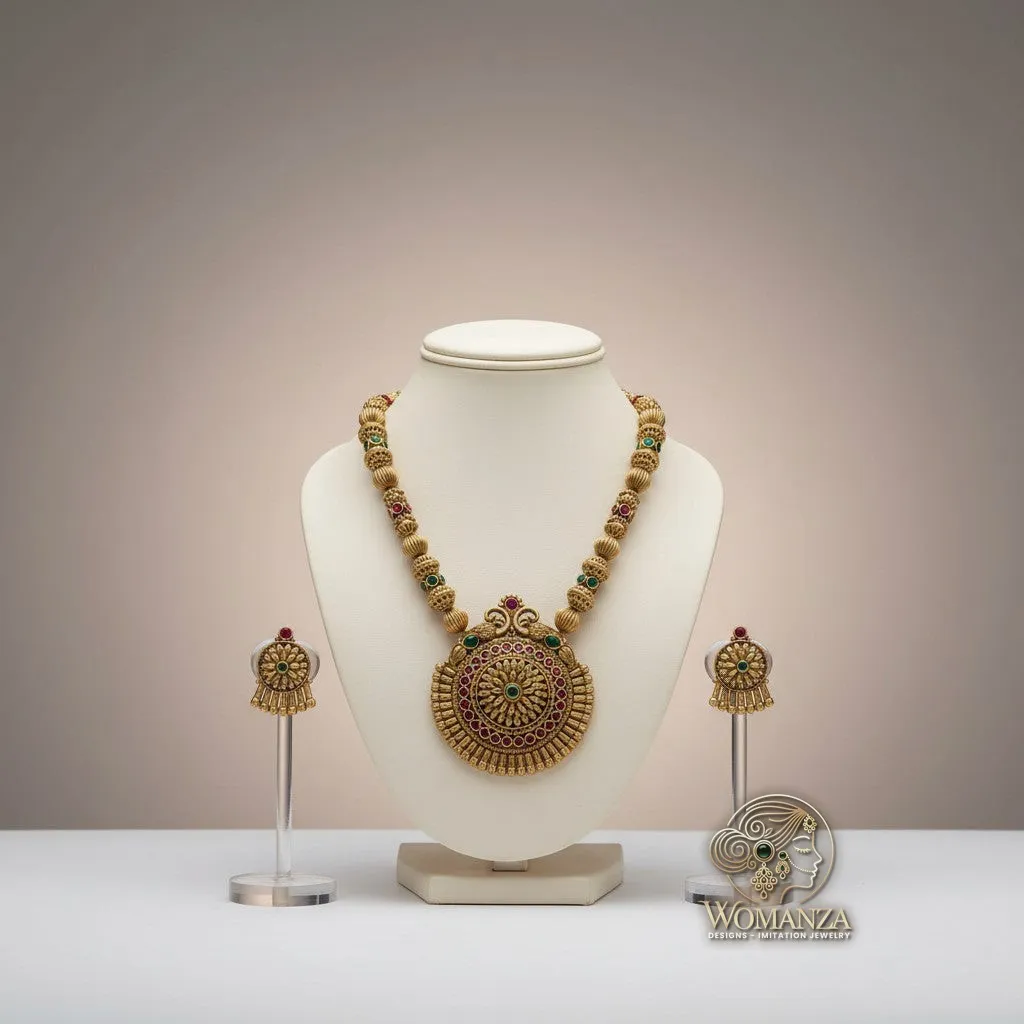
Some jewellery follows the seasons. Temple jewellery seems to sit outside them entirely. Draw on a coin necklace or a medallion set and something shifts — the look feels grounded, a little ceremonial, quietly sure of itself. It is one of the oldest decorative languages in Indian jewellery, and it has never really left. The question is why it keeps coming back, and how you wear something so steeped in tradition without feeling like you are in costume.
What Temple Jewellery Actually Is
Temple jewellery draws its name and much of its imagery from South Indian temple traditions, where ornamentation carried devotional as well as decorative meaning. The motifs are the giveaway: figures of deities, especially the goddess Lakshmi, rows of small coins, layered medallions, and detailed floral and architectural patterns that echo the carving on temple walls. The overall feel is rich, textured, and deliberately antique.
You will usually see it rendered in warm gold tones, often with a slightly matte or oxidised finish that reads as aged rather than shiny. That softness is part of the charm. Where some jewellery shouts for attention, temple pieces tend to hold it, rewarding a closer look at the tiny detailing worked into each coin and figure.
Why the Appeal Endures
Part of it is simply the craft. These are designs built around storytelling and symbolism, so even a single pendant carries a sense of meaning and heritage that trend-driven pieces rarely manage. A temple medallion necklace set, with its layered central motif, feels less like an accessory and more like a small heirloom.
There is also a practical reason it lasts. Temple jewellery leans into warm metal tones and classic motifs rather than of-the-moment colours or shapes, so it sidesteps the cycle of looking dated. A coin-and-jhumka set your mother might have worn still looks right today, and will likely still look right in a decade. In a wardrobe full of things that come and go, that kind of reliability is rare, and increasingly valued.
The Signature Motifs
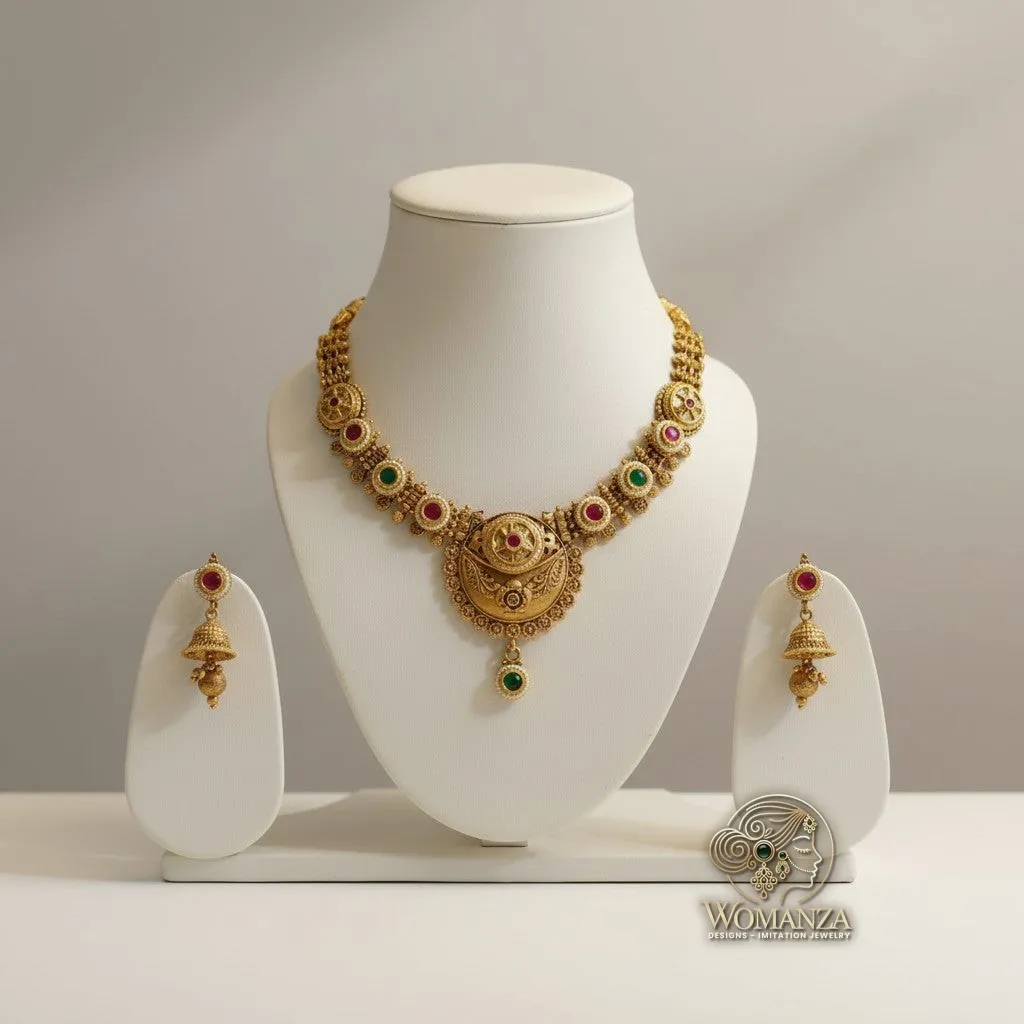
If you are learning to recognise temple jewellery, a few motifs come up again and again. Coin designs are perhaps the most familiar, small discs strung in rows that catch the light as you move. An antique Lakshmi coin necklace set with jhumkas shows this beautifully, pairing the goddess motif with the bell-shaped earrings that so often complete a traditional look.
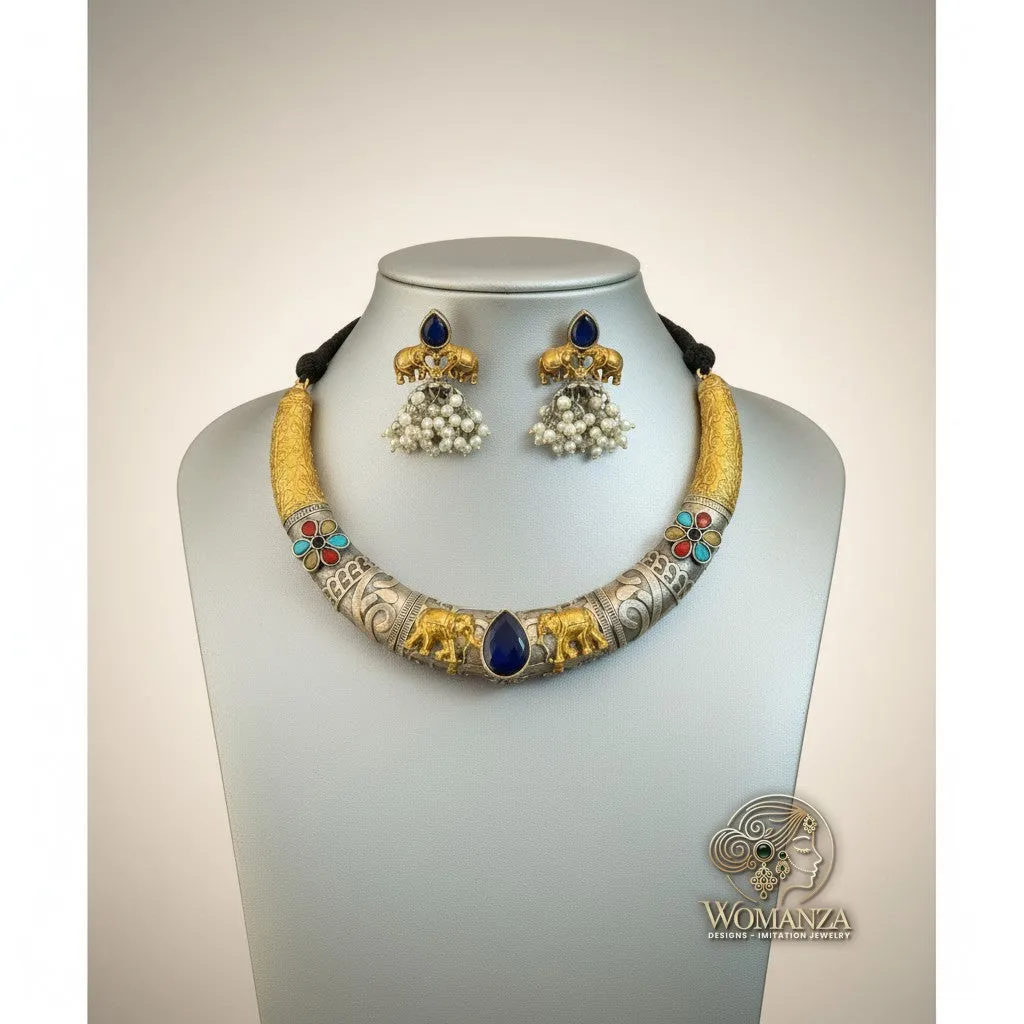
Beyond coins and deities, you will find broad, rigid neckpieces and motifs drawn from nature and temple architecture. A dual-tone oxidised silver hasli set with an elephant motif is a lovely example of how the tradition stretches beyond gold tones, using the elephant — a long-loved symbol of good fortune — and a mix of finishes to feel both classic and a little unexpected.
How to Wear It Today
The easiest way to date yourself is to reserve temple jewellery only for the most formal occasions. It certainly earns its place at weddings and festive gatherings, worn with silk sarees, rich lehengas, and traditional drapes where the ornate detailing has room to shine. Keep the rest of your jewellery quiet and let one temple piece lead.
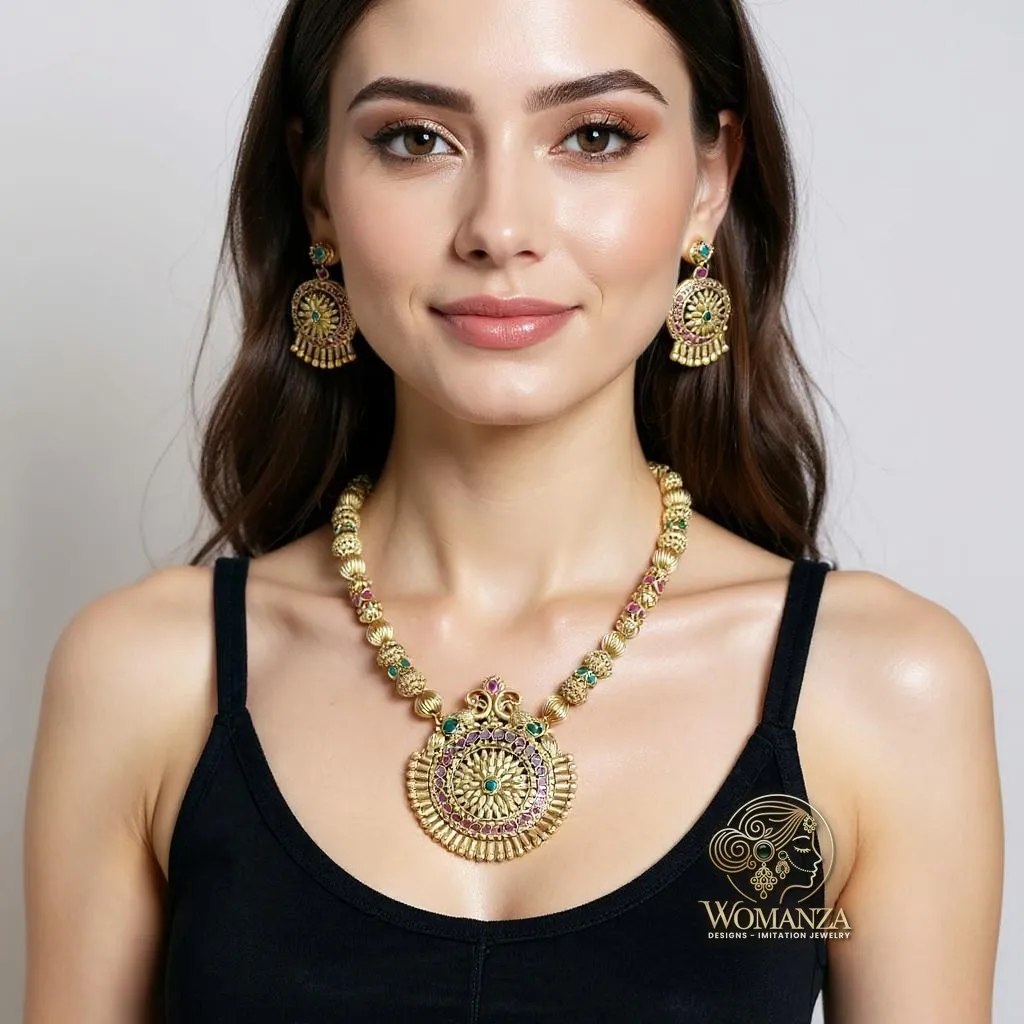
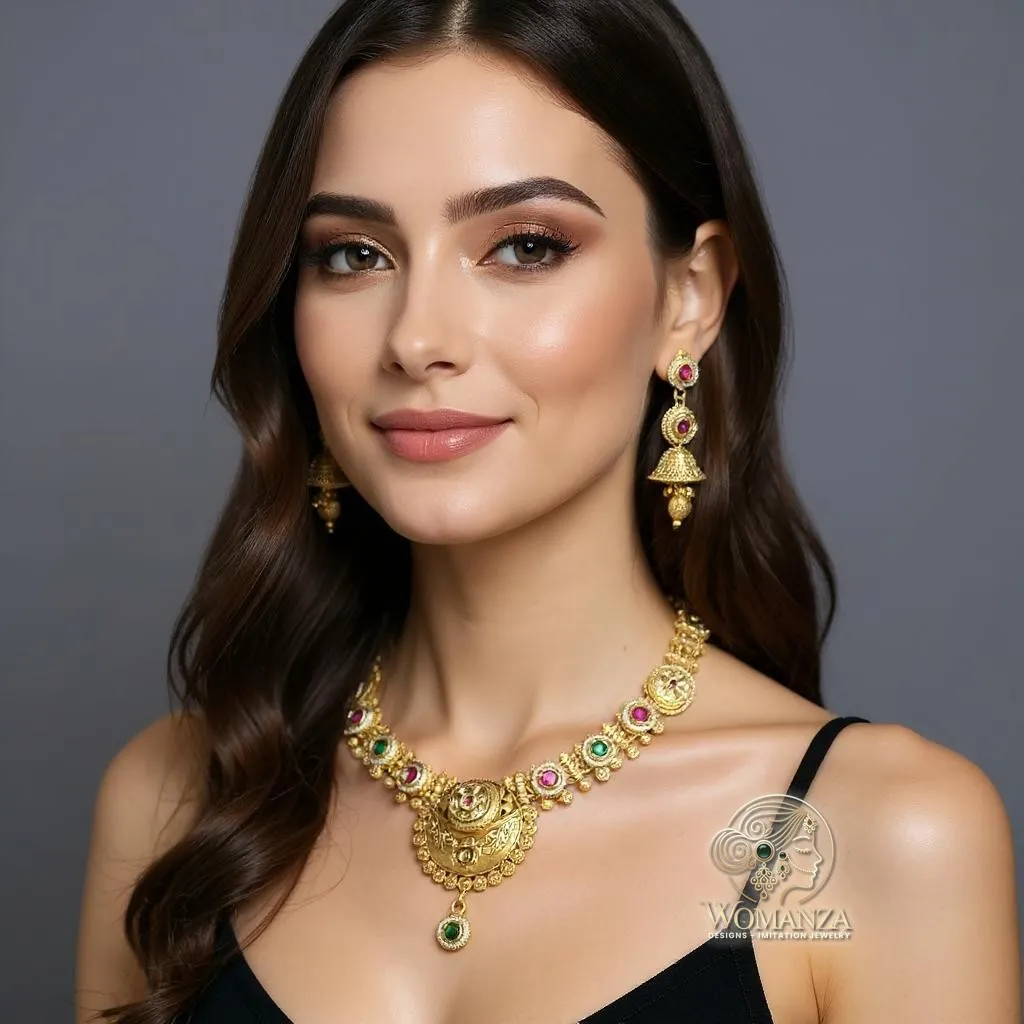
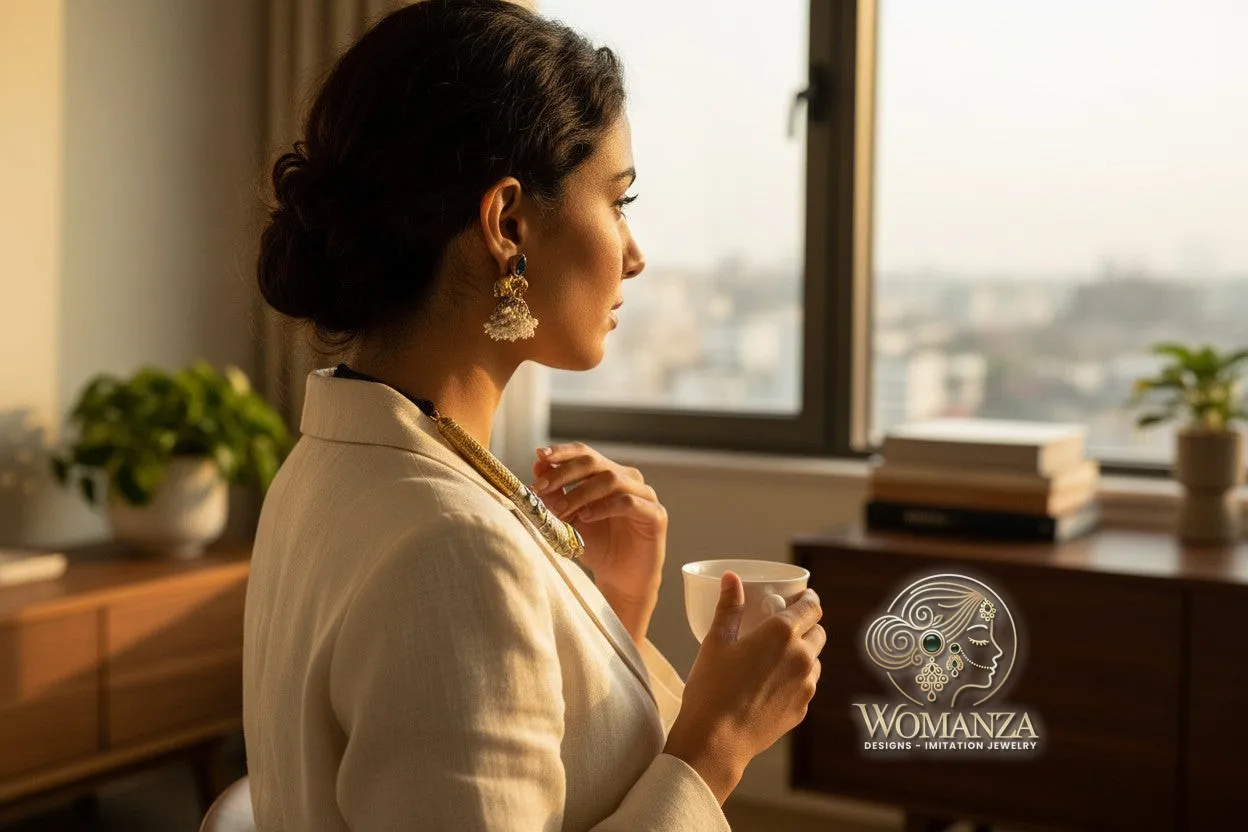
But it works just as well against something simpler. A single coin necklace over a plain kurta, a linen shirt, or even a solid dress brings warmth and character without tipping into fancy dress. The trick is contrast: pair the ornate with the understated, and let the piece feel like a choice rather than a costume. If you are building a first temple-inspired look, starting with one necklace is the gentlest way in, and our temple jewellery and chokers is a good place to see how the different motifs sit before you commit.
Temple jewellery endures because it was never really about fashion. It is about craft, meaning, and a look that feels rooted rather than fleeting. Choose a piece you love, wear it your way, and it will quietly outlast whatever the season happens to be doing.
Shop this story
Personal styling, on WhatsApp
Not sure what suits you?
Message us — Ankita Gupta's team will help you choose and share close-up photos.
Ask us on WhatsAppKeep reading